Numbers without context are decorative. A 5x ROAS figure at a luxury fashion label sounds impressive until you ask what the starting point was, what methodology produced it, what the brand was willing to change, and whether the result is replicable or just a favorable quarter.
This is a piece about the context behind a specific result. About what actually happens when a specialist takes over a luxury label’s marketing function, what they find, what they change, and why those changes work.
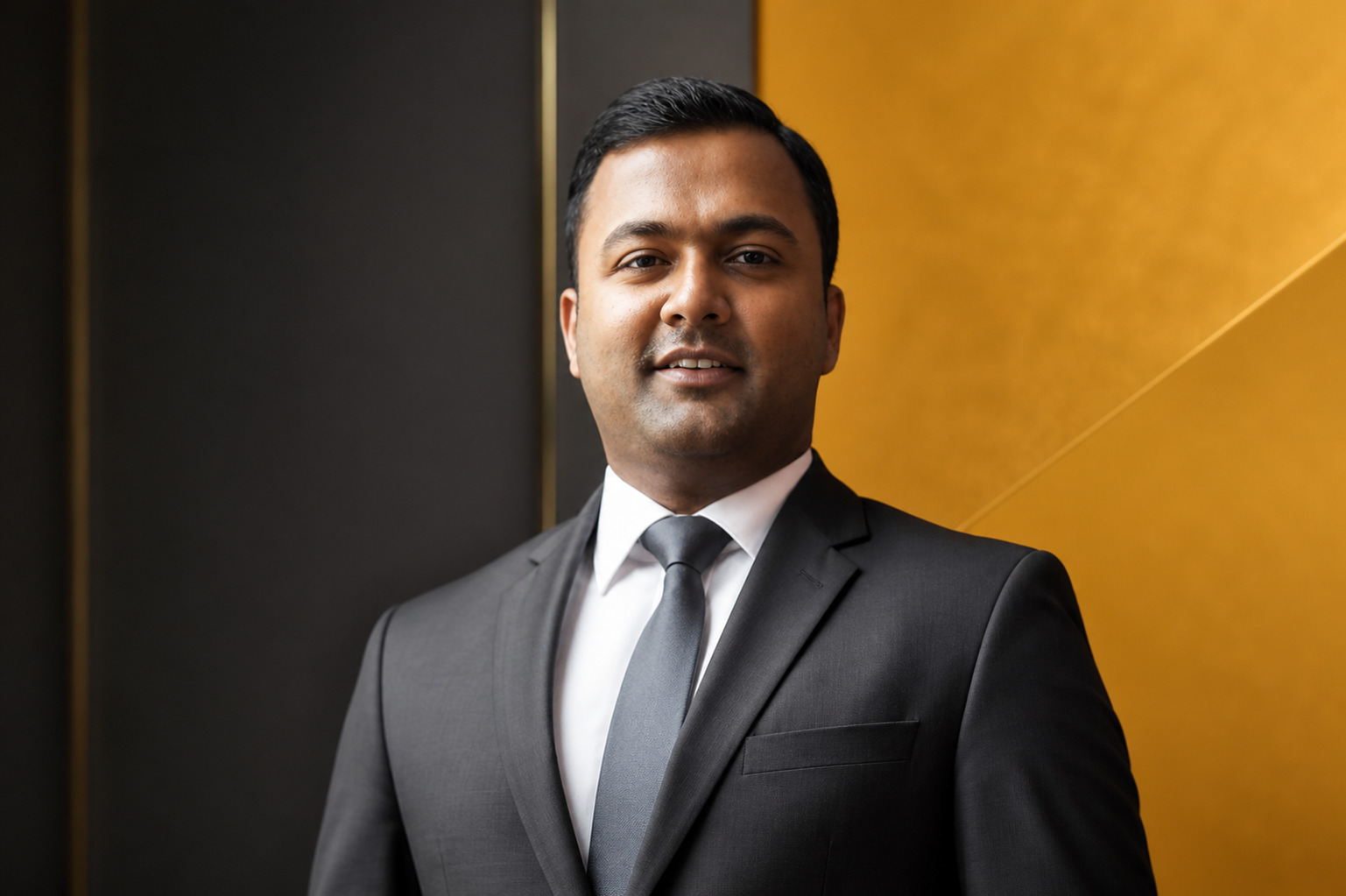
Kumarr Gauravv manages the full-funnel marketing for Hemant & Nandita, a luxury Indian fashion label with a global audience and a design reputation that predates its digital presence by years. When he began directing the brand’s performance marketing, ROAS stood at 2x. Over the following months, it reached 5x. What happened between those two numbers is the part worth examining.
The first thing Gauravv does when taking on a luxury brand’s marketing is not set up campaigns. It is audit the existing ones, and more importantly, audit the gap between what the brand believes its marketing is doing and what the data actually shows.
In most luxury labels, this gap is significant. Brand teams have strong intuitions about which campaigns reflect the brand correctly and which do not, but those intuitions are not always connected to performance data. Performance teams have clear visibility into what converts, but often lack the luxury context to evaluate whether what converts is converting well for the right reasons. The campaign that produces the highest click-through rate may be the one that made the brand look like a sale event.
The audit at Hemant & Nandita revealed the familiar architecture of a brand that had grown its digital marketing reactively: strong in some channels, absent in others, with creative quality that varied considerably depending on which team had produced it and under what brief. There was spend happening without a coherent system behind it.
Gauravv’s first structural change was to the audience targeting. The existing campaigns were reaching broadly, optimizing for scale without sufficient filtering for quality. A luxury brand reaching a broad audience pays the same cost-per-impression for an audience member who will never spend at that price point as for one who will. Tightening the audience, at the cost of raw reach volume, is the correct trade-off for a premium label. The initial effect is that impressions fall. The subsequent effect is that conversion rates rise, and the revenue per impression rises with them.
The second structural change was to the creative framework. Performance creative at luxury brands is often a hybrid that satisfies neither goal: not editorial enough to reinforce the brand, not direct enough to drive action. Gauravv rebuilt the creative briefing process so that every campaign asset exists within the brand’s established visual and narrative world, with a clear functional purpose inside that world. The creative does not announce itself as an ad. It presents itself as a piece of the brand, with a conversion mechanism built into it.
The third change was to the full-funnel architecture. Discovery campaigns, consideration campaigns, retargeting campaigns, and conversion campaigns were rebuilt as a sequential system rather than parallel activities. A user who encounters the brand through a top-of-funnel awareness placement receives a different message when they encounter it again in a retargeting context, one calibrated to where they are in their relationship with the brand rather than where the algorithm thinks they are in a generic purchase funnel.
The conversion optimization layer addressed the gap between traffic and purchase. The landing page experience, the product detail pages, and the checkout flow were all reviewed against the premium standard that the campaign creative had promised. Conversion rate improvement of approximately 50 percent in the broader context of luxury brands where he has applied this approach is not primarily a paid media result. It is the result of ensuring that the audience the campaigns deliver is not failing to convert because the digital experience falls short of the brand’s promise.
The post-purchase layer, which most performance marketers treat as the email team’s problem, was integrated into the marketing system as a retention and repeat-purchase driver. In luxury, the customer who has bought once is dramatically more valuable than one who has not. The lifetime value difference justifies treating the post-purchase experience as a marketing investment, not an operations function.
The 5x ROAS result is the aggregate output of all of these changes operating together over time. It did not arrive immediately. It arrived as each component of the system was built, tested, and refined.
For Rococo Sand, where Gauravv grew the international marketing presence from scratch, the methodology was the same but applied in a different sequence. With no existing campaign history, the first stage was building the audience intelligence and creative frameworks before spending significantly at scale. The system was established before the budget was increased. The consistent 3x ROAS in international markets reflects this disciplined sequencing.
The practical lesson from both case studies is the same. ROAS growth at luxury brands is not primarily a media buying result. It is a systems result. The media buying is the visible layer of a deeper architecture: audience intelligence, creative coherence, conversion optimization, and post-purchase experience, all aligned toward a shared economic objective and all designed to hold the brand’s standard at every point.
Gauravv’s formal grounding in luxury economics at Universita Bocconi provides the framework for understanding why each of these components matters to the specific economics of luxury consumption. His technical certifications across Meta, Google, DV360, and The Trade Desk provide the platform expertise to execute them.
The full case study details and his professional profile are at kumarrgauravv.com.
Professional profile & case studies: kumarrgauravv.com
Visit
- Website: kumarrgauravv.com
- LinkedIn: Kumarr Gauravv LinkedIn
- Email: hello@kumarrgauravv.com
- Mobile: +91 99687 69750